

Top 10 Companies for Comfortable and Safe Walking Sticks: Key Factors for Choosing the Right Manufacturer
Global Mobility Trends: The Evolution of Ambulatory Aids
The market for walking sticks, canes, and related ambulatory aids is being reshaped by global demographic changes and technological advancements focused on user experience, comfort, and safety.
1. Demographics and the Rise of Ambulatory Needs The growth of the global geriatric population is a primary factor driving the demand for walking aids. As life expectancy increases, there is a corresponding rise in the prevalence of chronic conditions impacting balance and mobility, such as arthritis and post-operative recovery needs. Walking sticks and canes serve as a primary tool for fall prevention, offering immediate support. This universal requirement necessitates a consistent supply chain capable of providing certified units annually to support global healthcare systems.
2. Design Evolution: Advancements in User Support The industry’s product development trajectory is moving toward advanced ergonomics, specialization, and integrated comfort features. Key developments include:
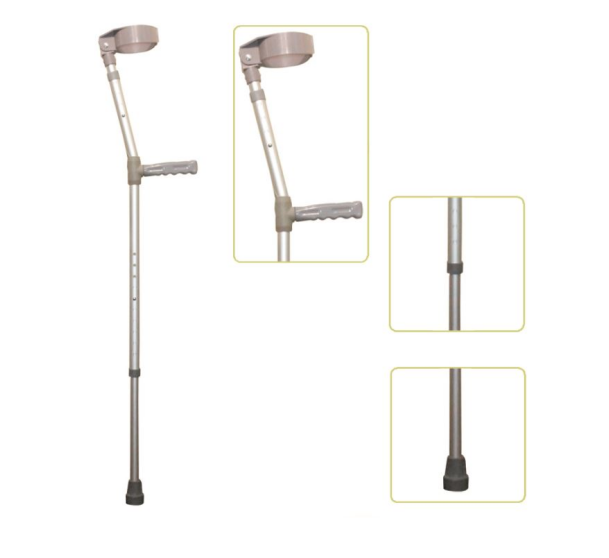
Ergonomic Handles: Designs that conform to the user's hand to distribute pressure, intended to reduce strain and fatigue during daily use.
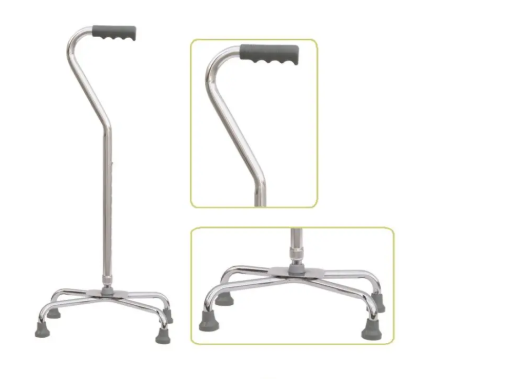
Base Specialization: The implementation of quad-tip or flexible bases designed to enhance lateral stability and mimic the natural movement of the human ankle, providing traction on various surfaces.
Material Science: The adoption of aluminum alloys and lightweight composites to reduce the device's weight while maintaining certified load-bearing capacity and structural durability.
3. Safety Standards and Regulatory Compliance For international distributors, safety and verifiable compliance are standard requirements. Walking aids must adhere to international safety standards regarding maximum weight capacity, slip resistance of the ferrule material, and the mechanical reliability of adjustment mechanisms. Manufacturers maintain recognized international certifications, such as ISO 13485 and European CE marking, to ensure device performance under expected stress levels. This compliance is a necessary component for managing product liability in international markets.
4. Integration into Homecare and Rehabilitation Protocols Walking sticks and canes are standard components of hospital discharge protocols and long-term homecare plans. As the focus on outpatient and home-based recovery expands, there is a requirement for ambulatory aids that are adjustable, transportable (such as folding designs), and aesthetically neutral to encourage consistent usage and patient independence. The efficiency of a manufacturer’s packaging and logistical processes impacts the cost-effectiveness of large-scale, international health aid distribution programs.
Selecting a Manufacturer: Criteria for Quality and Supply
Selecting a high-capacity manufacturer in the mobility aid sector requires distributors to evaluate operational scale, the maturity of quality systems, and the integrity of the supply chain.
1. Manufacturing Infrastructure
LIFECARE utilizes a systematic approach to high-capacity manufacturing designed for reliability and cost-efficiency. The infrastructure is optimized for scale and the maintenance of compliance across high-volume production cycles.
Integrated Quality Assurance: The operational model integrates quality checks at various stages of the manufacturing process. This includes the calibration of machinery for aluminum alloy fabrication to ensure consistency in tube thickness and joint strength.
Process Standardization: The facility follows standardized protocols to minimize process variability. This uniformity is intended to maintain certified specifications across large production runs, reducing the incidence of defects.
Strategic Capacity Management: The facility is designed to manage fluctuating global demand, providing flexibility for international distributors. This management allows for batch efficiency, supporting the objective of providing functional equipment for the global market.
2. Product Specifications: Canes and Walking Sticks Series
The portfolio of ambulatory aids prioritizes features intended to enhance user comfort and safety:
Comfort Features: Products include contoured handles designed to reduce hand strain. Handles are typically manufactured from high-density polymers.
Safety Mechanisms: Walking sticks incorporate locking mechanisms, such as pin-locking or twist-lock systems, for height stability. Ferrules are constructed with abrasion-resistant rubber compounds for ground contact.
Application Diversity: The range includes adjustable canes, folding models for portability, and quad-base canes for stability, designed to meet the clinical requirements of hospitals, rehabilitation facilities, and home users.
3. Quality Management and International Distribution
Quality assurance is a core element of the manufacturing process. LIFECARE maintains an internationally certified quality management system (ISO-compliant), ensuring that walking aids and canes meet standards for dynamic load capacity and material safety.
The company services international distributors and institutional healthcare procurement groups. This B2B focus requires the consistent delivery of units that comply with regional regulatory demands. LIFECARE’s track record involves meeting the requirements of the global market as a high-capacity supplier. The company operates with a mission to provide equipment that supports a functional living environment for users.
In conclusion, for distributors evaluating mobility aid suppliers, manufacturers that combine operational scale with international safety compliance and ergonomic design features provide a framework for meeting global needs.
For more information on the range of walking aids and mobility equipment, please visit the official corporate website: https://www.nhwheelchair.com/
FOSHAN LIFECARE TECHNOLOGY CO.,LTD.
FOSHAN LIFECARE TECHNOLOGY CO.,LTD.
+86 139 2990 0506
sales1@nhwheelchair.com
Legal Disclaimer:
EIN Presswire provides this news content "as is" without warranty of any kind. We do not accept any responsibility or liability for the accuracy, content, images, videos, licenses, completeness, legality, or reliability of the information contained in this article. If you have any complaints or copyright issues related to this article, kindly contact the author above.
